
Guest Getter
Restaurant Marketing

Why Restaurants With Half Your Foot Traffic Outsell You (And the Retention System That Flips It)

Most restaurants think retention is about having the right loyalty app. But it's about engineering a system that brings guests back for visit two, three, and the big-ticket moments. Here's how.
Kyle Guilfoyle
Kyle Guilfoyle
Marketing Strategist
0 min read
1200 words
restaurant retentionguest experiencerestaurant marketinggrowth systems
Why Restaurants With Half Your Foot Traffic Outsell You (And the Retention System That Flips It)

Here's what nobody tells you:

The difference between a thriving restaurant and one barely scraping by isn't foot traffic.

It's not location. It's not even the food.

It's whether you've engineered a system to bring guests back.

Most restaurants think about retention like this: "We need a loyalty app" or "Let's send more emails."

But that's thinking in tools, not systems.

And that's why six out of ten first-time guests never return—even at places with great food and service.

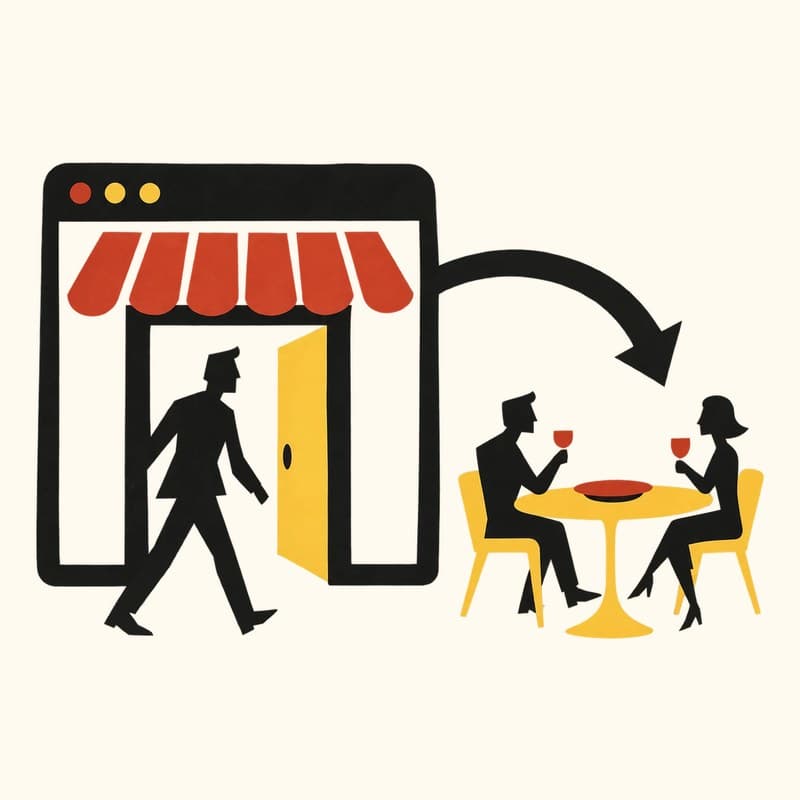
They don't come back because you didn't give them a clear path to visit two. Then visit three. Then the private dining room or the catering order.


Why your loyalty app isn't fixing this

Walk into most restaurants and here's what you'll see:

  • A loyalty app that guests downloaded once and never opened again
  • Blast emails sent "because we haven't sent one in a while"
  • Social posts that get likes but don't actually bring people in

None of this creates a path back.

So when your guest gets hungry next week, they pick whatever's convenient or whatever they saw on Instagram that morning.

The real problem: You don't have a system that guides guests from visit one to visit two to visit three to the big moments.

You need to plan the next visit before they leave.


The system we actually run

Think of it like a ski resort. Beginners don't start on black diamonds. They start on the bunny slope, then move up as they get comfortable.

Same thing with guests. You don't ask for a catering order from someone who's been in once. You build them up through stages.

Here's how it works:

Stage 1: Get them back for visit two (fast)

  • Your host gives them a simple offer before they leave: "Scan this, get a free dessert next time, and we'll know to look out for you."
  • The QR code sends them to a quick thank-you page (in your voice, not generic marketing copy).
  • That same night, they get a text or email that mentions something specific from their visit and tells them what to try next time.

The goal: Get visit two locked in before they forget about you.

We'll use a targeted offer if that's what it takes. But we're not throwing out random discounts to everyone.

Stage 2: Keep them coming back (without being annoying)

  • Three days later, send them a note from YOU, not "The Team." One story. One reason to come back in the next week or two.
  • A few days after that, they see something on social that backs up the same story.
  • Then a text: "We saved you a table Thursday for that mushroom lasagna you asked about."

The goal: Show them you actually noticed them. People come back to places that remember them.

Stage 3: Expand what they do with you

After a couple visits, they know your basics. Now you can show them more.

  • Invite them to something specific: chef's table, cocktail class, off-menu lunch.
  • Figure out what they care about (wine, vegan options, date nights) so every message actually matters to them.
  • Introduce them to a team member they'll see next time they're in.

The goal: Grow the relationship and the check—without just cutting prices.

Stage 4: Go for the big moments

Now you can ask for something bigger. But only after they've shown up multiple times.

  • Private dining for their team
  • Family-style takeout for the in-laws
  • Catering the office party

Keep it simple: "When you need to host something, we'll take care of the room and make you look good."

By this stage, the ask doesn't feel pushy. It feels natural.


Why this system actually works

Three reasons:

  1. Each message has one job. No spam. No filler. Guests feel like you're paying attention—not just blasting them with marketing.
  2. Your whole team runs the same playbook. Hosts, managers, and whoever handles your marketing all know what happens next.
  3. You can actually measure it. Track how many guests move from stage to stage and what that does to your monthly revenue.

Once this system is running, marketing stops feeling like chaos. You can spend money bringing in new guests because you know you'll actually keep them.


What we build when we work together

When we map this out for your restaurant, here's what we cover:

  • What your staff does to get guests into the system (starting tomorrow, not in three months).
  • Timing based on how your bookings work. A weekday lunch spot needs different pacing than a weekend brunch place.
  • Offers that fit your menu and margins. Sometimes it's a free dessert. Sometimes it's a bundle you engineer specifically for this.
  • The math that shows what happens when you get just five more people per week to visit two.

You walk away with a playbook you can actually run. If you want us to build the automations, write the scripts, and set up tracking, we do it for $279 flat. No retainer. No surprise add-ons.


Here's what this looks like in real numbers

Let's say you seat 50 guests a day and 60% are first-timers. That's 30 new people.

Right now, maybe 12 of them come back. The rest disappear.

If this system brings back just 1.5 more guests per day, here's what happens:

  • 10 extra visits per week
  • $200 more per week (at a $20 average check)
  • $900+ per month before you count upsells, drinks, catering, or referrals

That covers the cost of the system and then some.


This isn't a marketing hack. It's how you run a restaurant that lasts.

Once this is running, everything else gets easier:

  • Your ads actually work because you're not just burning money on one-time guests.
  • Your social posts support the system instead of just filling space.
  • Your emails become useful reminders instead of annoying blasts.

When you can count on guests coming back for visit two, three, and beyond, the chaos levels out. You're not riding the roller coaster every week. Your team has breathing room. Your guests start acting like regulars because you treated them like regulars from day one.


Want to build this for your restaurant?

Book a free Retention Strategy Session. We'll map out the system, show you the math, and give you a plan you can run right away.

If it's not a fit—or we can't see a clear win—you'll know in the first twenty minutes.

Book the session →

Kyle Guilfoyle

About Kyle Guilfoyle

Restaurant marketing strategist helping ambitious restaurant owners solve the two biggest problems: bringing back the 60% of first-time guests who never return and knowing exactly how much it costs to acquire a guest. Founder of Guest Getter and creator of the Restaurant Growth OS.

Ready to Transform Your Restaurant?

Every restaurant is different, but the principles are the same. Let's discuss what's possible for your specific situation and goals.

Schedule Your Free Strategy Session
STAY UPDATED

Never Miss a Growth Strategy

Get new articles, case studies, and proven restaurant growth strategies delivered to your inbox every week.

Join 5,000+ restaurant owners. No spam, ever. Unsubscribe with one click.